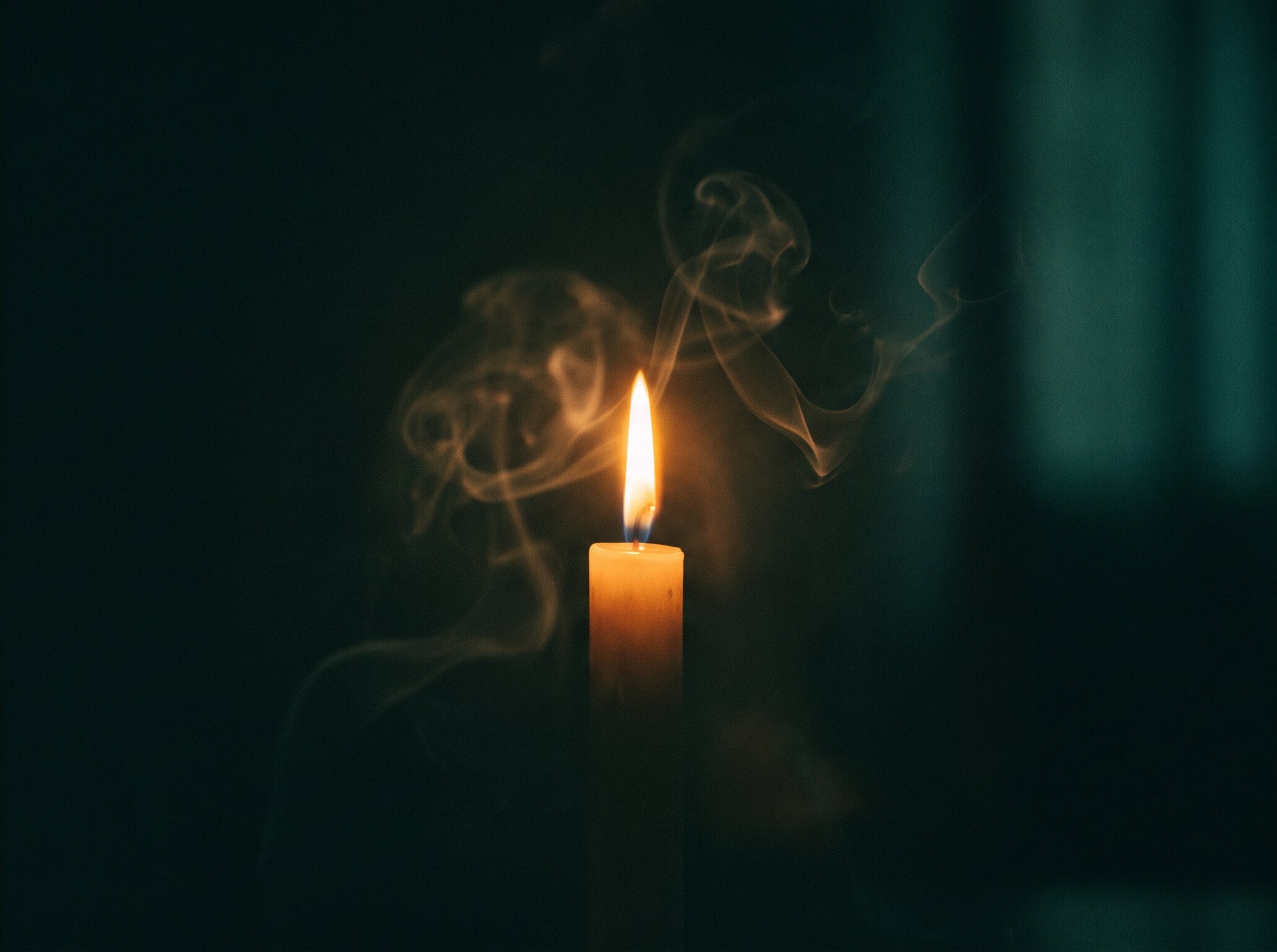
What if fear is the thing that finally calms you down?
For a lot of neurodivergent viewers, horror isn't the ordeal everyone assumes it is — it's the one genre that seems to know exactly what's happening inside their heads, and helps quiet it. This book is trying to find out why, and to prove it isn't just one person's theory.
Horror as a regulation tool, not just a genre
I've long suspected that horror films work on my nervous system the opposite way most people assume: instead of raising my anxiety, a good scary movie lowers it. It gives my attention somewhere specific and structured to go, and it lets a formless, background hum of anxiety turn into something with a shape, a runtime, and an ending.
I don't think that's unique to me. This book argues that for many neurodivergent viewers — autistic, ADHD, anxious, and otherwise wired differently — horror functions as genuine affect regulation: a controlled, predictable, time-limited practice of fear that can quiet a much less controllable, less predictable baseline state.
Horror doesn't add fear to a neurodivergent brain. It gives an existing fear somewhere to go.
The book braids three strands together: the neuroscience of fear and "recreational fear" research, first-person neurodivergent testimony about horror as catharsis and alignment, and the film theory — Carol Clover, Barbara Creed, Noël Carroll — that already explains why audiences identify with monsters and outsiders in the first place.
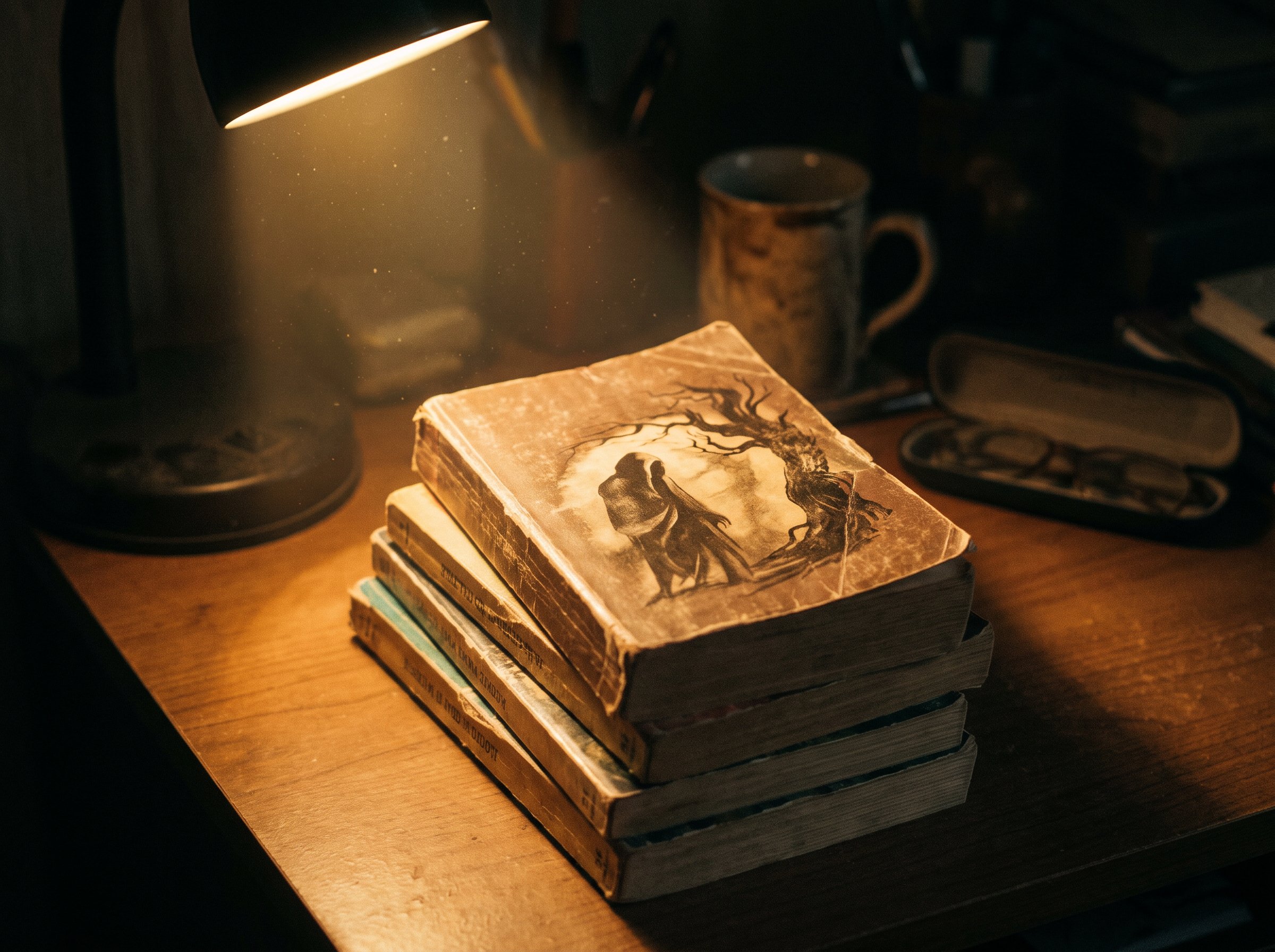
Three pillars, one argument
Fear in the Brain
Amygdala–hippocampus dynamics, recreational fear and "morbid curiosity" research, and why controlled, safe fear can feel rewarding rather than distressing — especially for arousal-seeking and anxious profiles.
Lived Experience
First-person neurodivergent accounts of horror as catharsis and alignment, relaxed and accessible screening programs, and original interviews and surveys with neurodivergent horror fans — the qualitative core of the book.
Genre & Identification
Clover's identification theory, Creed's abjection, and Carroll's paradox of horror, applied to how neurodivergent viewers identify with monsters, final girls, and outsiders on screen.
Written in conversation with
This book sits between two lineages: pop-science-of-fear writing and genre theory that reframed how audiences talk about horror. It owes a direct debt to both.
The direct ancestor of this project's approach to identification and embodiment in horror.
The freshest proof that mainstream readers want the science of why we're drawn to the macabre.
The academic backbone of "recreational fear" as a real, evolutionarily grounded phenomenon.
A model for translating the physiology of fear into accessible, film-by-film storytelling.
Your horror-watching habits are data I actually need
The strongest part of this book won't be the neuroscience — it'll be real neurodivergent horror fans describing what actually happens in their heads and bodies while they watch. If any of this sounds familiar, I'd genuinely like to hear from you, on the record or anonymously.
Share your story by emailFollow along, or get in touch
Follow the process
This site will grow alongside the book — sample chapters, research notes, and a real title once one earns it. For now, the fastest way to stay in the loop is direct contact.
Get updates by emailFor researchers, writers, and programmers
If you study horror, recreational fear, or neurodivergence — or you program a horror festival, run a relaxed screening series, or write in this space — I'd like to talk.
Get in touch